
CNC Carbon Fiber Machining & Custom CFRP Plates
CNC machines custom carbon fiber parts in its own CNC workshop. Laminate plates from 0.2 to 30 mm (in 0.2 mm increments), tolerance around ±0.05 mm on stable parts.
What is Carbon Fiber Machining?
XAP makes custom carbon fiber parts. Laminate plates are hot-pressed to your drawing by press shops we have worked with for years; the CNC machining, surface finishing and inspection are all done in our own workshop.
High Strength-to-Weight Ratio
Carbon fiber offers exceptional tensile strength while being significantly lighter than steel or aluminum.
Lightweight
Carbon fiber is 5x lighter than steel but 10x stronger, making it ideal for weight-sensitive applications.
Corrosion Resistant
Carbon fiber is immune to corrosion and chemicals, perfect for marine and chemical environments.
Premium Raw Materials
We use high-quality carbon fiber prepreg materials from trusted suppliers.
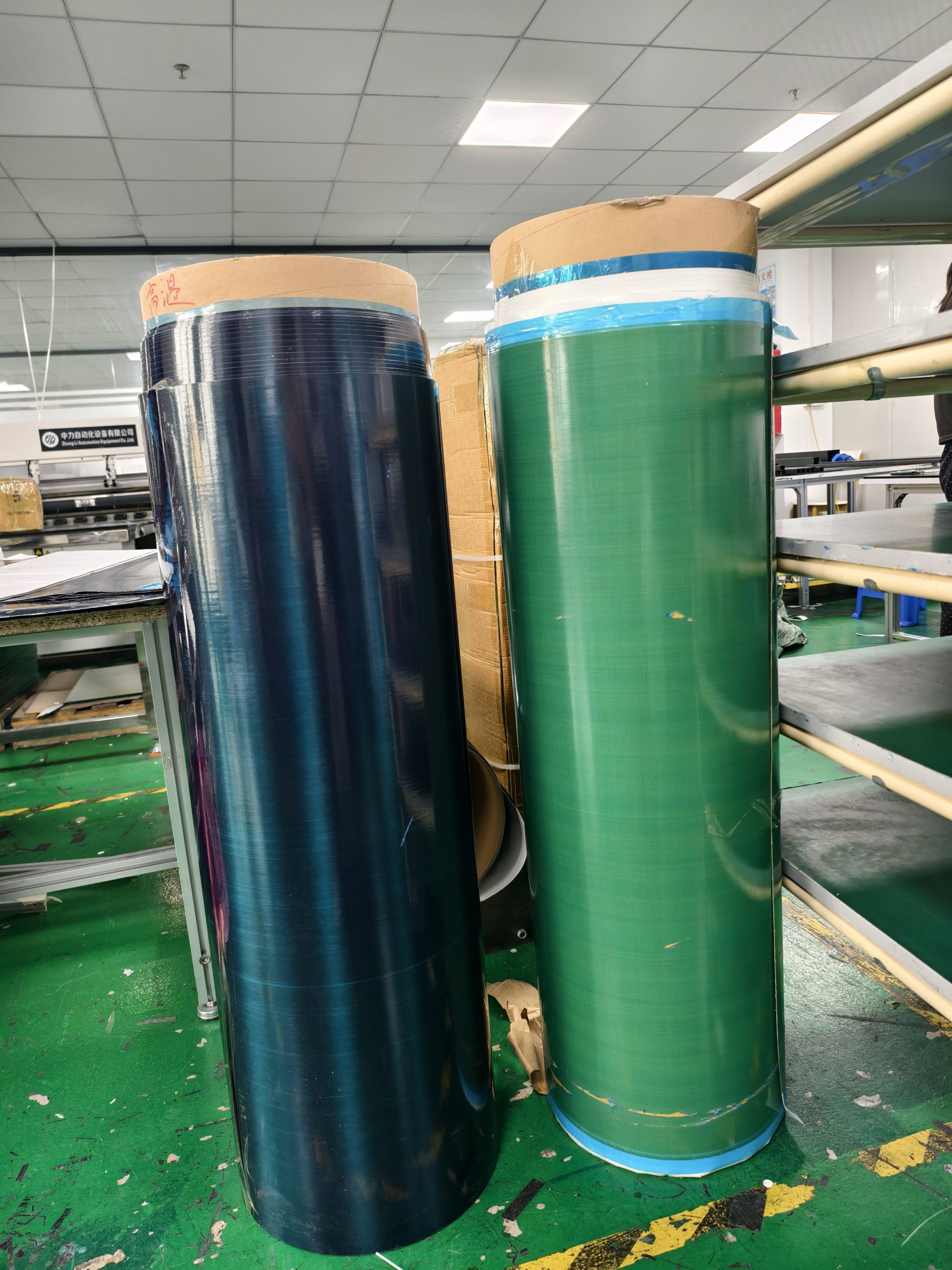
High-Quality Prepreg Materials
We source carbon fiber prepreg from leading manufacturers to ensure consistent quality and performance.
- T300 standard modulus carbon fiber
- T800 high strength carbon fiber
- Kevlar aramid fiber
- Fiberglass and hybrid laminates
Plates Built to Your Thickness
Our partner press shops produce plates by stacking prepreg layers and hot-press curing.
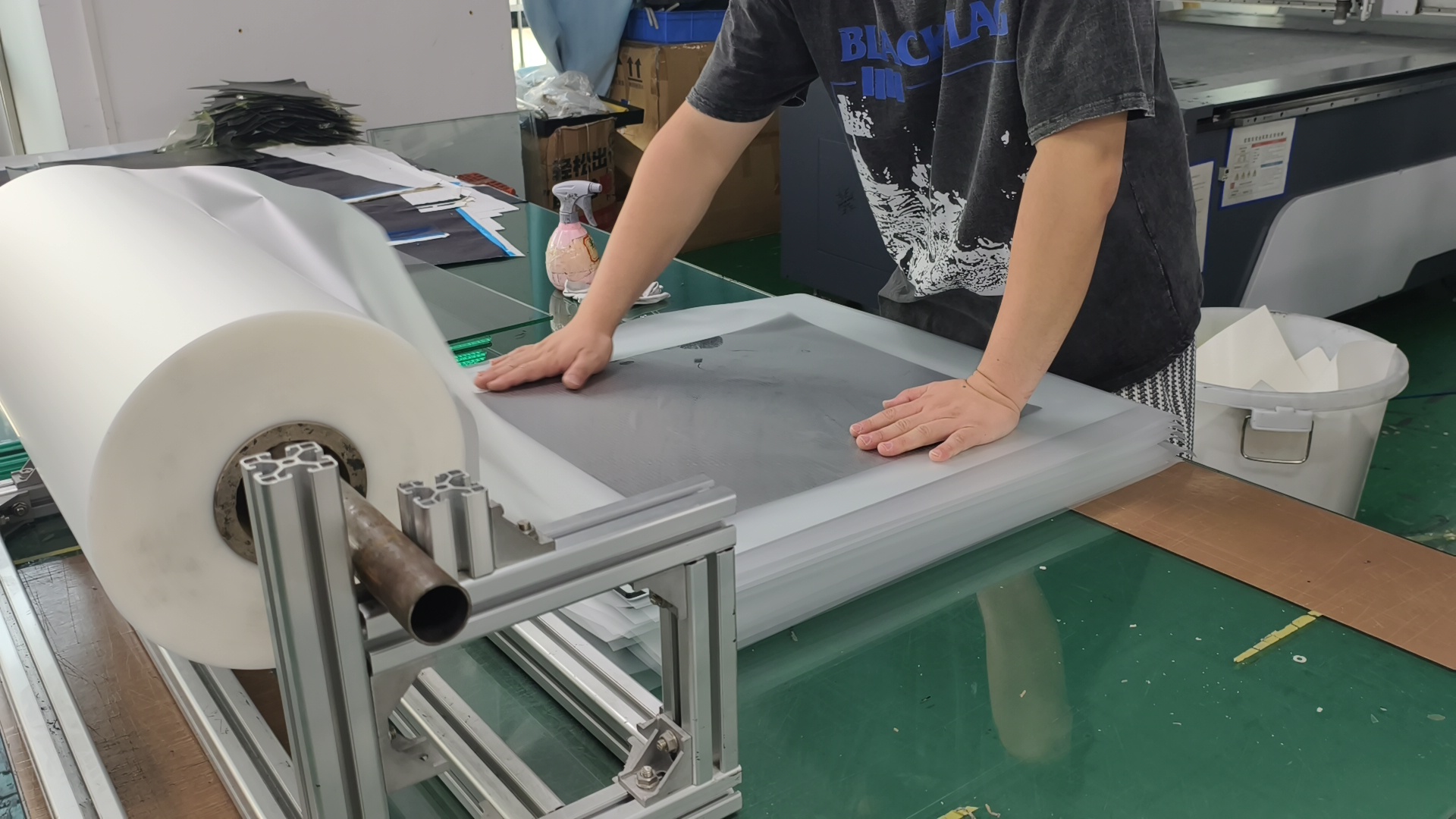
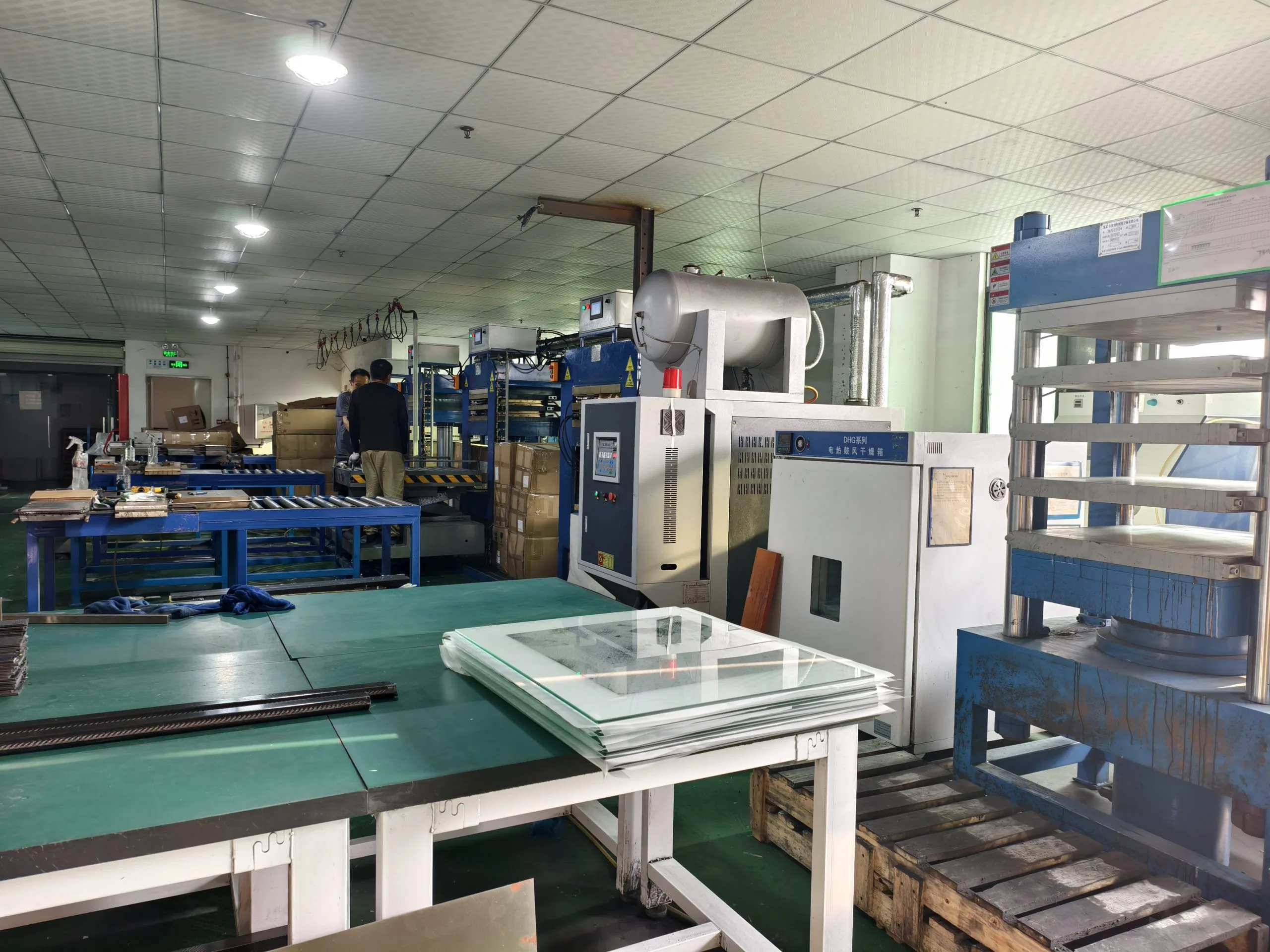
Thickness Range
Thickness is built in 0.2 mm increments within a range of 0.2 to 30 mm, so non-standard values like 4.2 mm or 12.4 mm are normal production for us.
Materials
Materials regularly processed: T300, T800, Kevlar, fiberglass and carbon-glass hybrid laminates.
Ply Orientation
Ply orientation and stacking sequence can be adjusted to your load requirements.
Quality Check
Every incoming batch is checked against the specified lay-up before it goes on the machine.
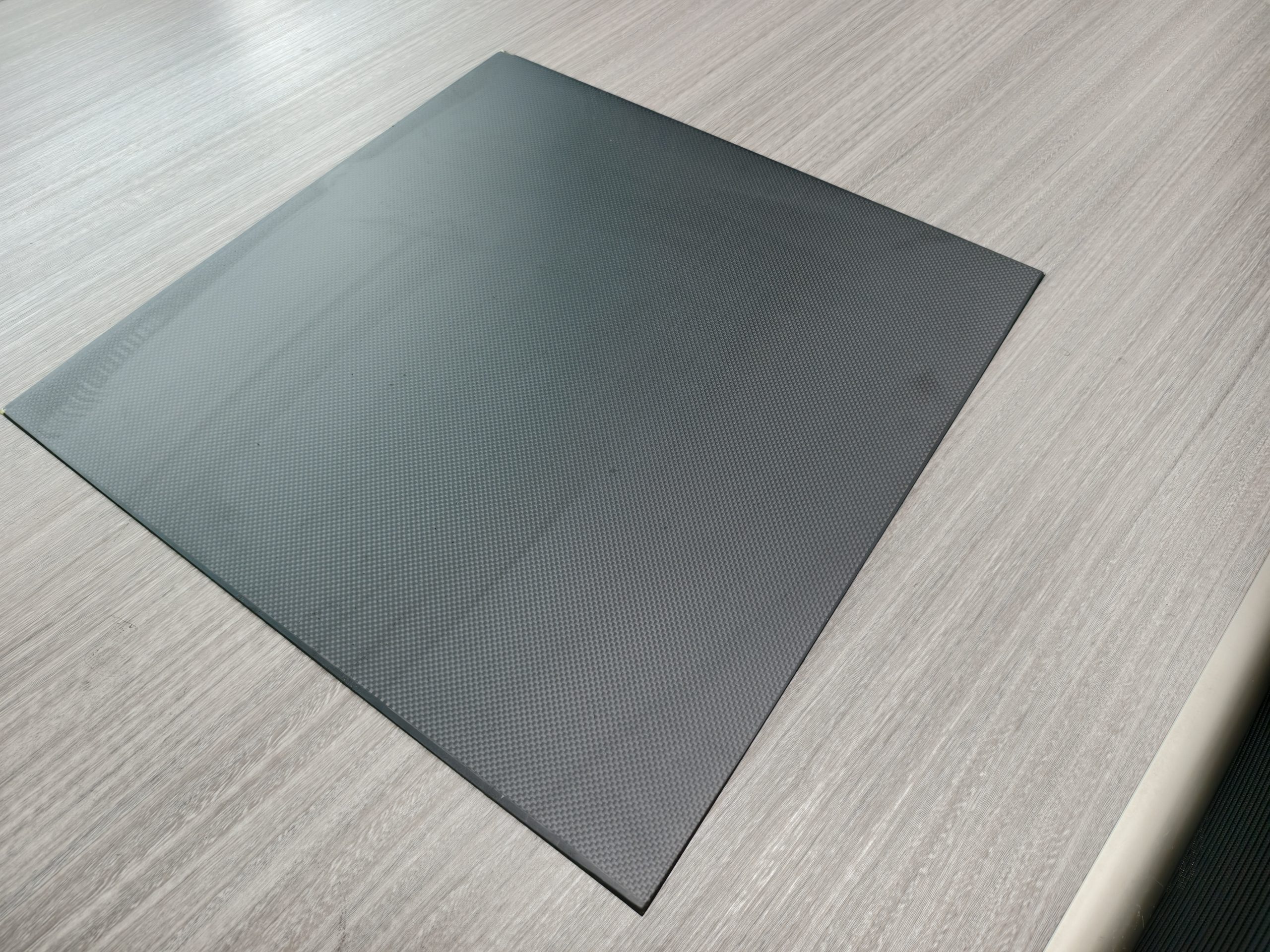
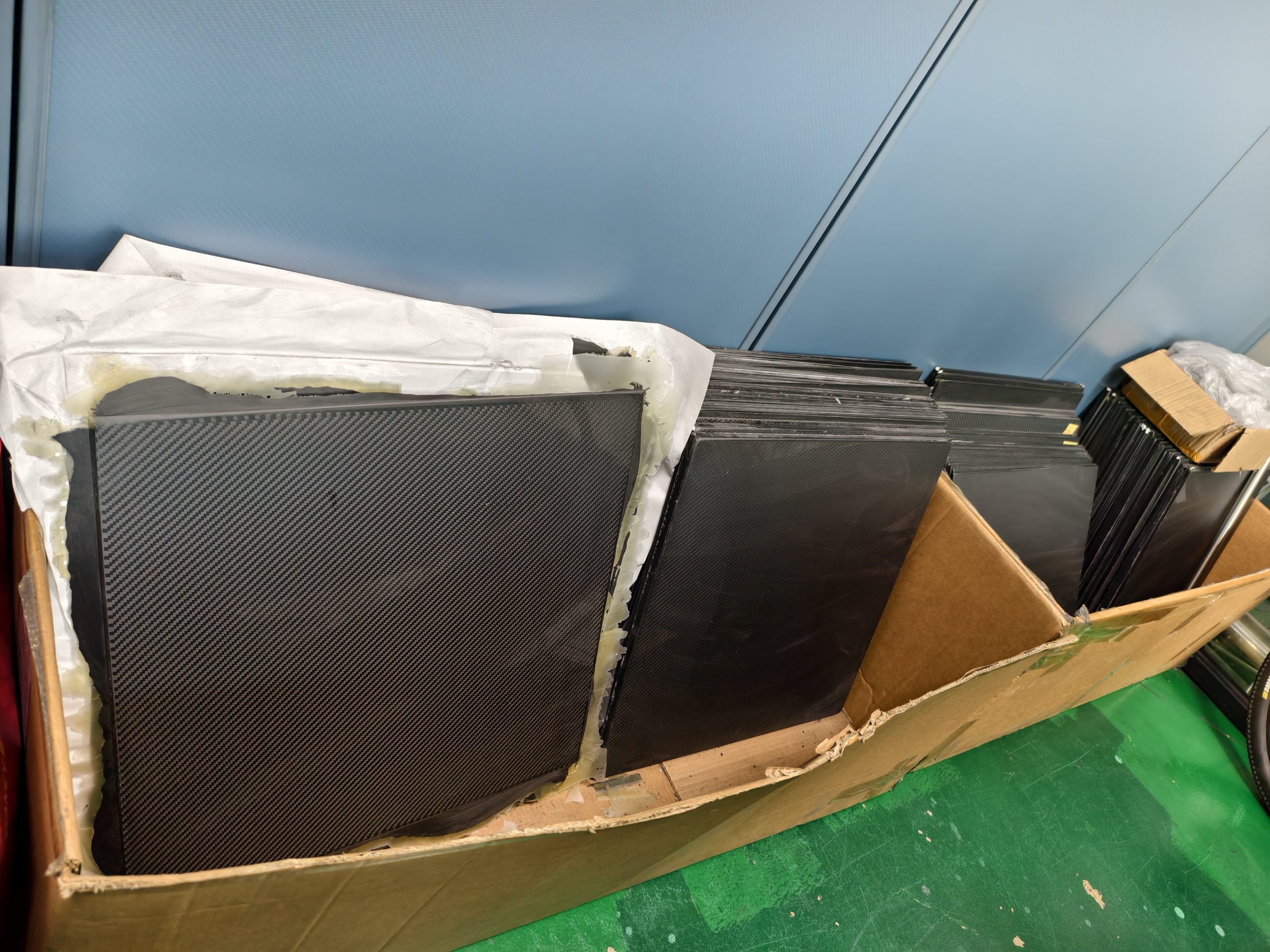
Finished Carbon Fiber Plates
High-quality carbon fiber plates ready for machining.
CNC Machining and Inspection
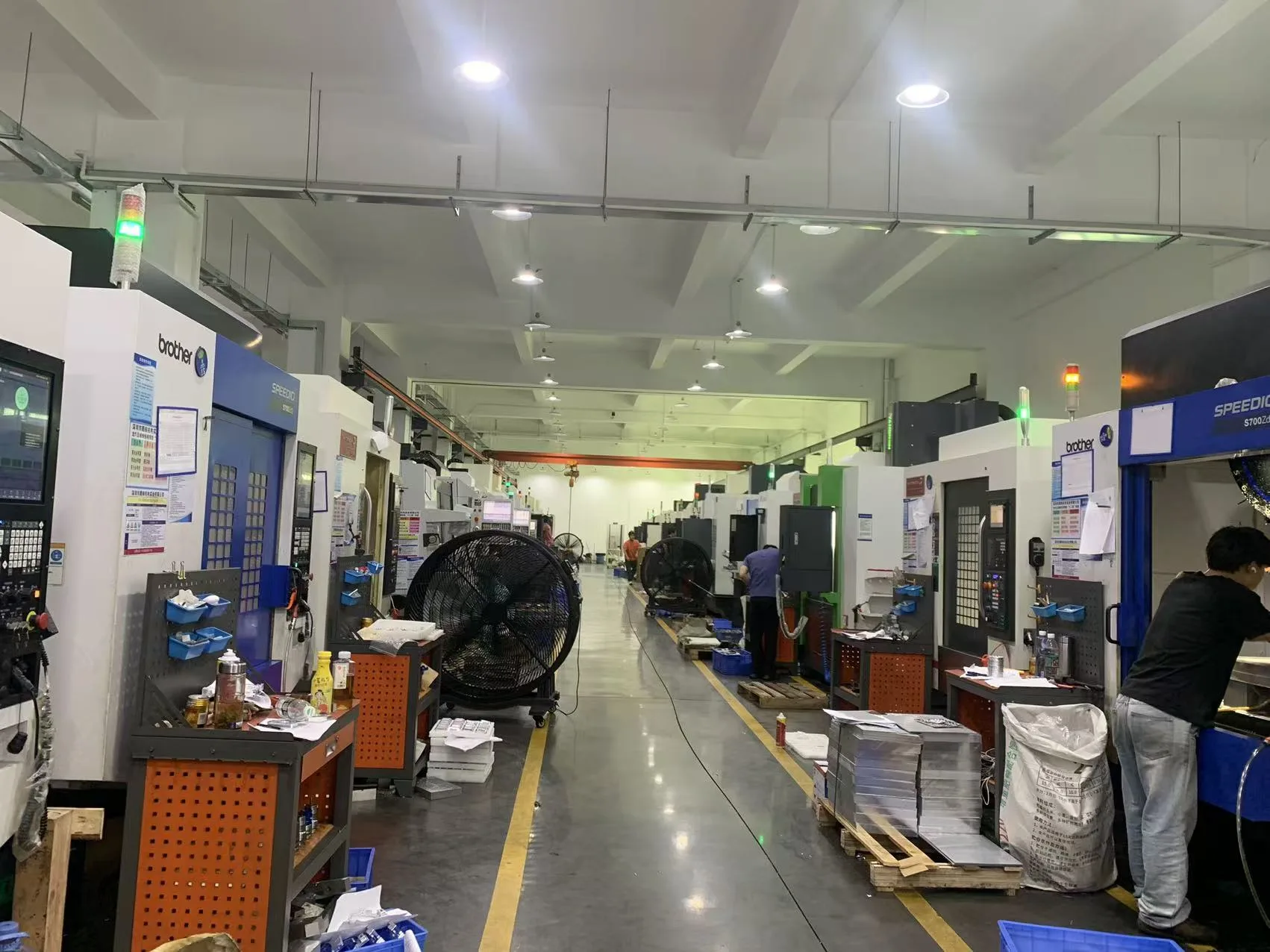
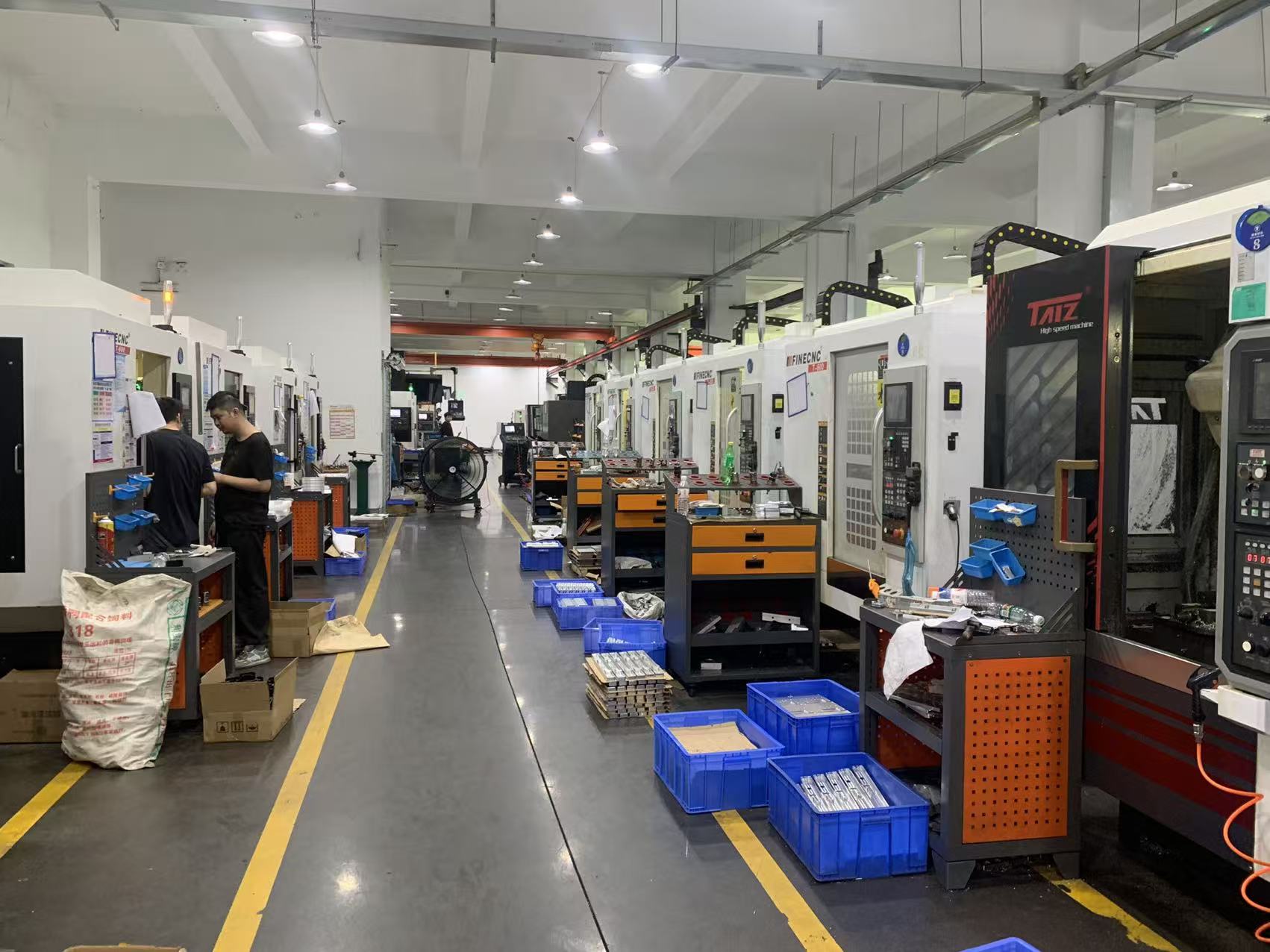
Our workshop runs more than 30 CNC machining centers, with work envelopes up to around 500 × 500 × 300 mm.
Composite-Specific Cutting Tools
Composite-specific cutting tools including compression router bits.
Vacuum Tables
Vacuum tables and support fixtures with sacrificial backing on through-cuts.
Optimized Toolpaths
Helical ramping and optimized entry/exit moves instead of vertical plunging.
CMM Inspection
Parts are inspected on 2D vision measuring machines, height gauges and a CMM.
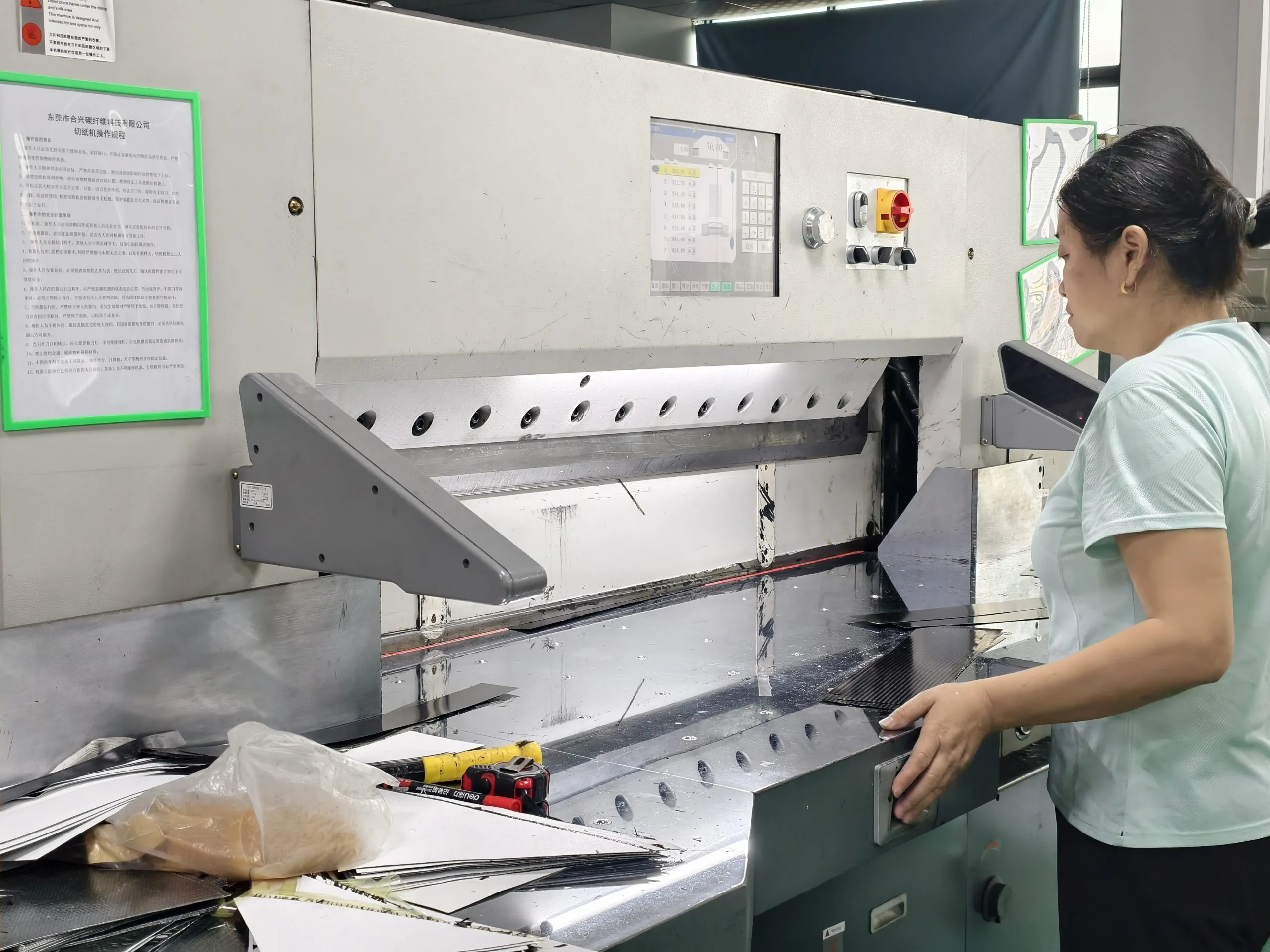
Precision Plate Cutting
High-precision cutting of carbon fiber plates to your specifications.
Precision Cutting Process
Our CNC routers cut carbon fiber plates with high precision, ensuring clean edges and minimal delamination.
- High-speed CNC router cutting
- Clean, burr-free edges
- Minimal delamination
- ±0.05 mm accuracy on stable parts
Delamination Control
Delamination is the most common failure mode in carbon fiber machining.
Qualified Laminates
Qualified hot-pressed laminates from audited suppliers.
Composite Tooling
Sharp composite tooling and proper workholding.
Optimized Toolpaths
Optimized entry and exit toolpaths and disciplined tool replacement.
Service Scope
One supplier handles the full process.
Laminate Molding
CNC Machining
Surface Finish
Inspection & Packing
Typical Applications
Carbon fiber components used in various industries worldwide.
Drone Frames
Robot Arms
Medical Devices
Sports Equipment
Frequently Asked Questions
Common questions about carbon fiber machining.
Can you machine carbon fiber plate from our drawings?
Yes. Machining, finishing and inspection are all in-house. Plates come from our partner press shops, pressed to your drawing, from 0.2 mm up to 30 mm.
What tolerance can you hold?
About ±0.05 mm on stable parts. The achievable tolerance depends on laminate quality, part shape and wall thickness, and is confirmed before quoting.
Can you make non-standard thicknesses?
Yes, in 0.2 mm increments — 4.2 mm, 12.4 mm and similar values are routine. Because thickness comes from stacking prepreg layers, it must be a multiple of 0.2 mm.
How do you prevent delamination?
Through whole-process control: qualified laminates, sharp composite tools, proper fixtures and sacrificial backing, optimized entry and exit toolpaths, high-speed light cutting, and dust extraction instead of flood coolant.
Request a Quotation
Send your drawings with material specification, thickness, tolerance, quantity and surface finish requirements. Every drawing is reviewed by our engineering team, and you will receive a quotation, achievable tolerance and lead time.